
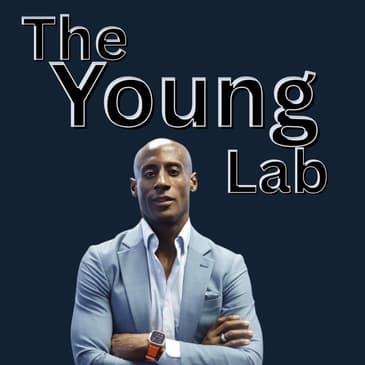
Welcome back to The Young Lab, where we break down the science behind internal health, performance, and regenerative longevity. In today’s episode, we’re tackling one of the most overlooked, yet absolutely essential, predictors of lifelong health and vitality: muscle.
You probably think of muscle in terms of strength or looks, but as Dr. Young reveals, muscle is so much more. It’s the body’s central metabolic engine, governing how you manage glucose, regulate inflammation, support brain function, and even how you age. We’ll explore why muscle mass and strength are tightly linked to longevity, what happens as we lose muscle with age, and why focusing on weight alone can be misleading. We’ll also get into practical, evidence-backed strategies: the best ways to train, fuel, and recover for long-term muscle health and why balancing strength and cardio matters at every age.
Whether you’re a lifelong athlete or just starting out, this episode arms you with the frameworks and science to build resilience and protect your future health. Stay tuned!
Timestamps:
00:00 Understanding elevated glucose risks
04:49 Understanding muscle health and fat metabolism
09:22 Understanding glucose metabolism
12:32 Exercise and muscle metabolism benefits
15:28 Understanding anabolic resistance
19:53 Flaws of weight as a health metric
22:26 Focusing on body composition
26:20 Understanding body composition and risk
29:19 Calculating heart rate zones
33:22 Importance of daily protein intake
34:23 Optimizing protein intake strategies
40:01 Importance of recovery and balance
41:06 Effects of weight loss on muscles
46:39 Understanding zone two training basics
49:19 Balancing Training and Recovery
51:44 Looking forward to next episode
Why Muscle Matters Most for Longevity: Insights from The Young Lab Podcast
If you’re looking to truly understand the science of living longer and healthier, look beyond the scale and focus on muscle. In this episode of The Young Lab podcast, Dr. Michael Young had an in-depth conversation about why muscle is the single most overlooked predictor of longevity and how it dramatically shapes your health as you age.
Muscle: Your Body’s Secret Organ for Longevity
Many people associate muscle with physical appearance or athletic performance. However, as Dr. Michael Young explained at the start of the episode, muscle is much more than meets the eye. “Muscle isn’t just something on your body; it’s actively regulating your entire physiology,” he noted. Muscle plays a vital role in controlling metabolism, blood sugar, energy production, and inflammation. When muscle declines, so do all of these key processes, making muscle essential for both long-term health and survival.
How Muscle Regulates Metabolism and Health
A highlight of this episode was how clearly Dr. Michael Young broke down the science behind muscle’s role in metabolism. After eating, about 70 to 80 percent of glucose is taken up by skeletal muscle, which helps regulate blood sugar and determines how much insulin you need. Healthy muscle means better blood sugar control and less risk of chronic diseases like heart disease, fatty liver, and cognitive decline. When muscle is lost or becomes dysfunctional, your protection against these conditions disappears.
Moreover, muscle flexibility also lets your body switch efficiently between burning fat and carbohydrates, a concept called metabolic flexibility. Poor muscle health means the body becomes reliant on burning carbohydrates even at rest, leading to increased hunger, insulin resistance, and fat storage.
Sarcopenia: Understanding Age-Related Muscle Loss
Aging doesn’t just happen because of the passage of time. As Dr. Michael Young explained, losing muscle actually accelerates biological aging. The gradual loss of muscle mass, known as sarcopenia, begins as early as your 30s and speeds up after age 60. Yet, it’s not just the size of your muscles that matters but also their strength. Lower muscle strength is linked to higher risk of mortality and loss of independence, independent of age or body weight.
The more muscle you lose, the more your metabolism and resilience decline. This kickstarts a vicious cycle of rising insulin, more fat storage (especially around the organs, known as visceral fat), and higher inflammation. The end result is dramatically higher risk for chronic disease and slower recovery from illness or surgery.
Body Composition vs. The Number on the Scale
It’s a common misconception that weight is the most important health metric. In reality, Dr. Michael Young emphasized how misleading this can be. Two people of the same weight can have vastly different health profiles based on their muscle mass and visceral fat levels. What truly matters is body composition (the ratio of muscle to fat) and where fat is distributed. People with higher muscle and lower visceral fat have much better health outcomes, regardless of what the scale says.
Effective Strategies for Building and Maintaining Muscle
So, what does a weekly routine for optimal muscle and health look like? Dr. Michael Young outlined a practical approach. Aim for three to four resistance training sessions per week that work all major muscle groups and push close to muscle fatigue. Add two to three days of moderate-intensity cardio training (zone 2) for fat burning and endurance, plus one day of higher-intensity intervals (zone 4 or 5) to boost capacity. He also highlighted the importance of spreading protein intake throughout the day and ensuring good recovery, as muscle is actually built during repair, not during the workout itself.
Final Thoughts: Muscle is the Key to Lifelong Health
The episode’s core message was clear. Focusing on muscle is not about chasing gym gains, but about ensuring long-term quality of life. Muscle mass and function protect not only your body’s metabolism and brain, but also resilience against illness and stress. Your longevity depends on shifting focus from weight loss to building and maintaining muscle.
Stay tuned to The Young Lab for more science-based strategies on how to age well, improve your performance, and reclaim your long-term health. If this episode resonated with you, share it with someone who wants to take control of their health for years to come.
Show Website - https://theyounglab.com/
Dr. Michael Young's Clinic - http://denverwellnessaesthetic.com/
Dr. Young's Instagram - https://www.instagram.com/michael.youngmd/
Media Partner - https://www.tophealth.care/
“Disclaimer: Informational only. Not medical advice. Consult your doctor for guidance.”